Budget Sneakers: What a $30 Pair Can and Can’t Do
20 September 2026
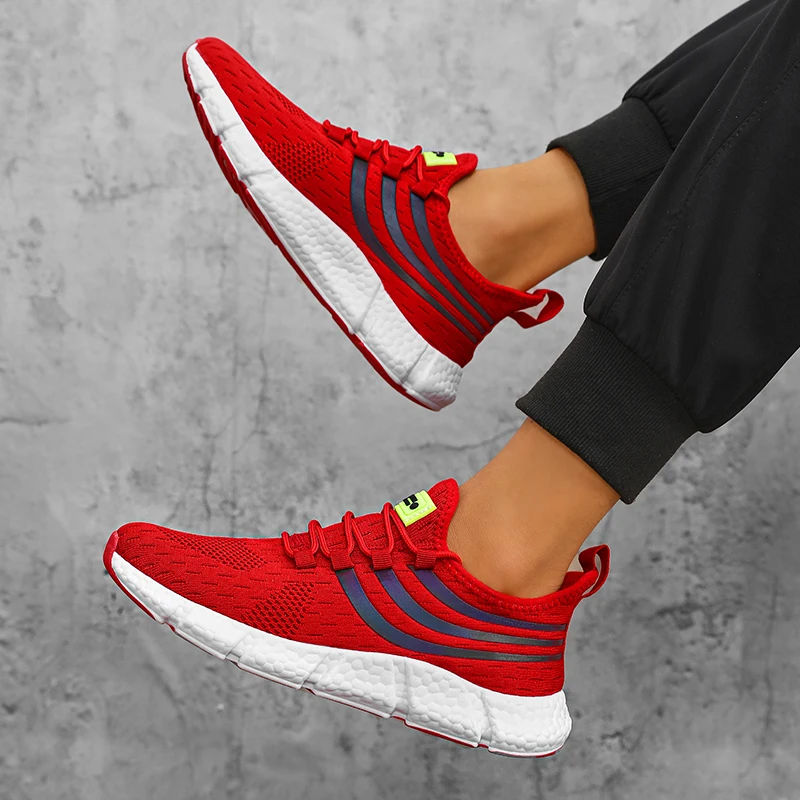
A $30 pair of sneakers will not perform like a $150 pair, and anyone who tells you otherwise is selling something. But that does not make budget sneakers a bad buy. It means you need to know what that price actually gets you, and where the trade-offs sit, so you can pick the right pair for the right use.
What a $30 pair can do well
Everyday casual wear. For commuting, errands, walking around town, or a relaxed weekend outfit, a well-made budget sneaker does the job. Models like the Comfort Light Soles Sneakers and the Hajink casual men’s shoes are built for exactly this kind of light daily use.
Style without the premium. Clean silhouettes, neutral colours, and simple lines look good at any price. A plain sneaker in black, white, or grey goes with most outfits, and nobody checks the price tag.
Low-risk rotation. A second or third pair lets you alternate shoes, which helps each pair last longer. It also makes it easier to keep one clean pair for going out and one for rougher days.
Lightweight comfort. Mesh uppers, like on the Men’s Breathable Lightweight Mesh Sneakers, keep a shoe light and airy for warm weather and short walks.
What a $30 pair usually can’t do
Serious athletic performance. Budget shoes rarely include the cushioning technology, stability features, or precise fit that regular running, gym training, or sports demand. If you run several times a week or play a sport, invest in a dedicated pair.
Years of daily wear. Soles and glue wear faster at this price. Expect a pair to last a season or two of regular use, not a decade. Rotating pairs and avoiding heavy rain will stretch that.
Premium materials. Uppers are typically synthetic, mesh, or a blend, and finishing is simpler than on high-end shoes. Leather at this price is uncommon, and quality varies from one supplier to another.
Heavy-duty or all-weather use. Waterproofing, ankle support, and thick outsoles are features of more expensive footwear. A budget pair is best kept for dry, everyday conditions.
How to pick the best pair at this price
- Match the shoe to the use. Walking and casual wear are the sweet spot. Skip budget pairs for intense training.
- Check the sole. A flexible, textured outsole with visible stitching or bonding around the edge is a better sign than a flat, glossy one.
- Read the size guidance. Budget shoes often run a little small, so check the size chart and consider going up half a size if you are between sizes.
- Look at real photos. Clear pictures of the shoe from several angles say more than a description.
- Know the delivery time. Items shipped from overseas take longer to arrive, so plan ahead rather than ordering the week before you need them.
Our buyer’s checklist for spotting quality in cheap sneakers goes deeper on materials and construction, and the 7-step guide to checking any budget product works for any online purchase.
Where budget sneakers make the most sense
If you want a comfortable everyday shoe and do not need it to survive heavy use, a $25 to $35 pair is a reasonable choice. Options such as the Walking Shoes Men’s Denim or the Air Cushion Shoes give you different looks and comfort levels within that range. You can compare more in our roundup of the best affordable sneakers under $40, or browse all sneakers in the catalogue.
The bottom line
A $30 sneaker is a good everyday shoe and a poor performance shoe. Buy it for what it is, pick a style you will actually wear, and keep your expectations realistic. That is the way to get real value out of a budget pair.