The BuyFreeFree Sourcing Story: How We Pick Products
10 September 2026
BuyFreeFree started as a simple idea: most affordable products online are a gamble, and someone should be doing the gambling for you. Here’s how we actually pick what makes it onto the site — and what gets cut before it ever does.
We Sell Across Three Categories, on Purpose
Sneakers, watches, and everyday objects aren’t a random mix — they’re the three product types where the gap between a “good cheap version” and a “bad cheap version” is the widest. A $30 sneaker can fall apart in a month or last a year. A $30 watch can look and feel like $150, or fail its first week. Picking well matters more in these categories than almost anywhere else in affordable retail.
What We Actually Check Before Listing a Product
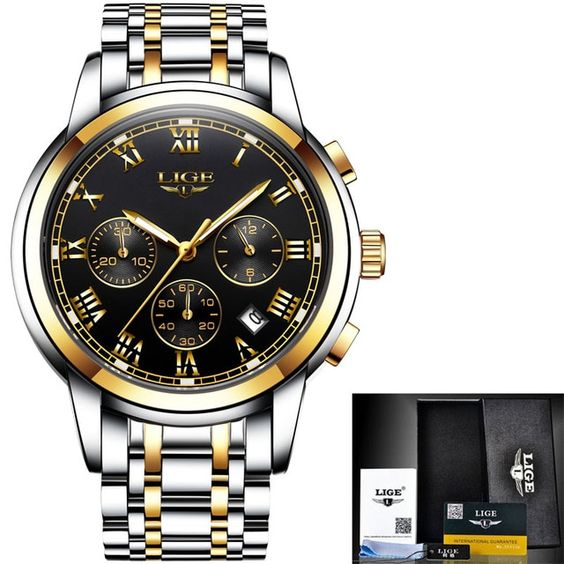
Construction details first: stitched versus glued seams on sneakers, movement type and case material on watches, stitching and hardware quality on bags. Materials claims second: we cross-check “genuine leather” versus “PU leather,” and stated water resistance versus what’s actually plausible for the build. Supplier track record third — a product only stays listed if the sourcing behind it stays reliable and consistent over time.
Why Everything Is Priced Where It Is
Our pricing reflects what a product actually costs to source and ship reliably — not a marked-up “original price” next to a fake discount. If something looks inexpensive on the site, it’s because it genuinely is, not because of a pricing trick.
What Doesn’t Make the Cut
Products get removed or never listed when supplier quality drops, when a material claim doesn’t hold up to a second check, or when customer feedback flags a recurring issue. We’d rather run a smaller catalogue we can stand behind than a huge one padded with items we wouldn’t personally buy.
The catalogue keeps changing as we test and refine — but the standard behind it doesn’t. If you want to see it in practice, our sneaker picks and watch picks were both built using exactly this process.